Siberian tomb holds oldest known evidence of cannabis use, study says
Seeds and hair from a Siberian tomb, 2,800 years old, are the oldest known signs of people using cannabis to get high, The Associated Press, Live Science and Scientific American report. The study, in the journal Science, says the drug may have been part of burial rites.
Seeds and hair from a Siberian tomb, 2,800 years old, are the oldest known signs of people using cannabis to get high, The Associated Press, Live Science and Scientific American report. The study, in the journal Science, says the drug may have been part of burial rites.
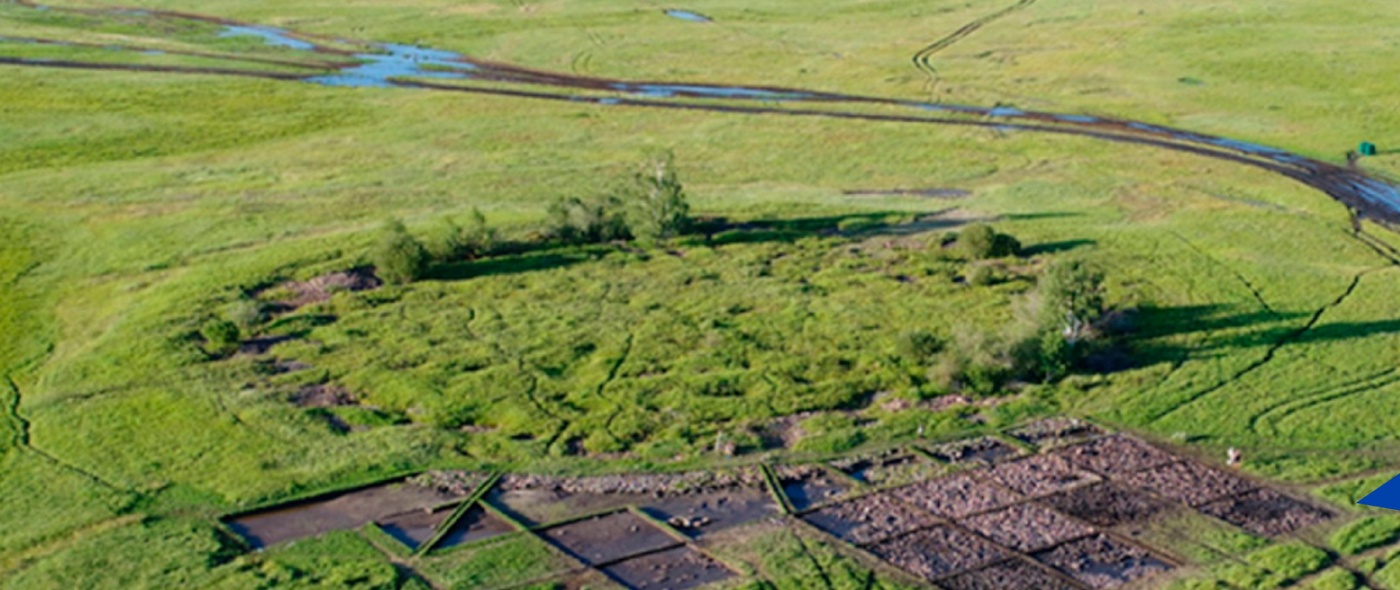
Researchers found more than 1,000 cannabis seeds in a royal burial mound at the Tunnug site in the Uyuk Valley of southern Siberia, the AP and Live Science report. Radiocarbon dating put the seeds between 800 and 760 BC, Live Science says. The find points to use about 300 years earlier than known evidence from China, the AP reports.
Human hair from the same grave held traces of cannabinol, Scientific American reports. That chemical forms from THC, the compound in cannabis that makes people high. "It's only so often as an archaeologist that you do get to drug test a person that's been dead for almost 3,000 years," lead author Gino Caspari said, according to the AP.
The tomb belonged to the Scythians, ancient nomads who buried their dead with horses, the AP and Live Science report. Live Science says the cannabis may have had a darker use. "In this princely tomb, the burials were accompanied by extensive horse sacrifices and, most likely, human sacrifices as well," Caspari said in a statement quoted by Live Science. The researchers suggest the plant could have calmed people chosen for those rituals.
Some experts are not convinced. Volker Auwaerter, head of forensic toxicology at the University Medical Center in Freiburg, Germany, wrote that the hair analysis "is scientifically weak," the AP reports. He said the data could not show whether people took the drug or the hair just picked up traces from being buried with it.
The Greek historian Herodotus wrote that Scythian nomads inhaled the fumes from burning hemp seeds, Live Science notes. "It is extremely rare to find real evidence for it," Caspari said of drug use in the past, according to Scientific American.
What we know: A Siberian tomb dated to about 2,800 years ago held cannabis seeds and hair with cannabis compounds, which the researchers say shows drug use. What we don't know: Whether people consumed the cannabis, and whether it was used in human sacrifice.
Where outlets agree The Associated Press, Live Science and Scientific American report that seeds and human hair from a 2,800-year-old Siberian tomb point to the oldest known use of cannabis for its intoxicating effects.
Where they differ The cited reports agree on the key facts so far.