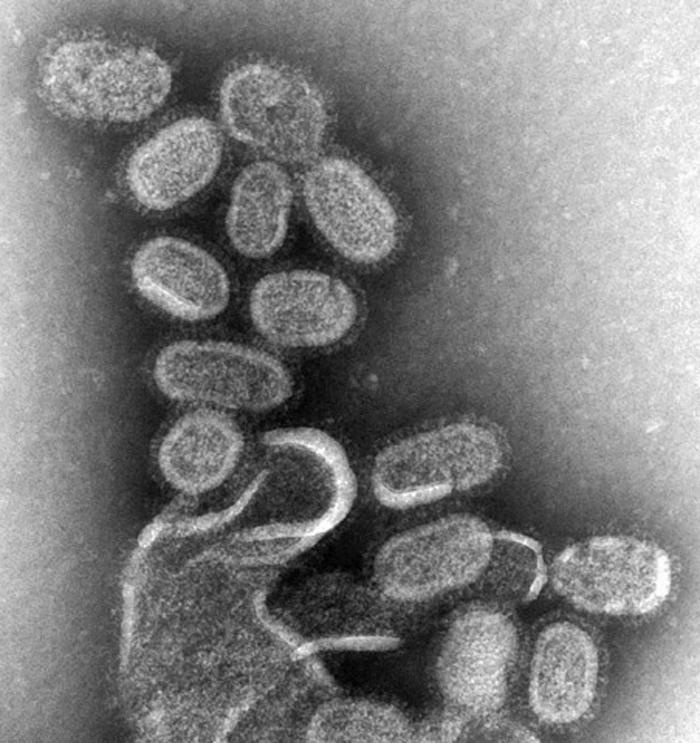
Mutated H1N1 flu strain may be driving early US flu season
A mutated version of the H1N1 flu strain appears to be driving a flu season running months ahead of schedule, USA Today reports. Flu activity began rising in late August and early September, the CDC says. The agency says an early start does not mean a worse season.
A mutated version of the H1N1 flu strain appears to be driving a flu season running months ahead of schedule, USA Today reports. Flu activity began rising in late August and early September, the CDC says. The agency says an early start does not mean a worse season.
The most common H1N1 strain now is a subgroup called D.3.1.1, USA Today reports. It has picked up mutations in parts of the virus that human antibodies target, the paper says, citing a study that has not yet been peer-reviewed. The study suggests teens and young adults ages 15 to 25 may be more affected, USA Today reports.
Officials say the virus is part of the long-running seasonal H1N1 family, not a new pandemic strain, USA Today reports. The mutations likely make it a little better at slipping past immunity from past infections and vaccines, the paper says.
"Why we think we're seeing this now, nobody really knows, but likely it's due to mutations," said Dr. Corey K. Smith of Teladoc Health, according to USA Today.
The Independent reports at least 2.6 million flu cases, 36,000 hospital admissions and 2,100 deaths so far this season. Louisiana, Texas and South Carolina have the highest flu levels, the paper says.
"An earlier increase in activity does not necessarily lead to a higher seasonal peak or greater overall severity," the CDC said, according to The Independent. The agency said it is too early to know which viruses will dominate or how well vaccines will work against them, the paper reports.
Fewer than 44% of Americans got a flu shot last year, down from more than half in 2021, The Independent reports, citing CDC data. Doctors say people should get their shots now, the paper says.
What we know: Flu is spreading earlier than usual, and a mutated H1N1 strain appears to be a driver. What we don't know: Whether the season will peak higher or last longer than usual.
Where outlets agree USA Today and The Independent report that the US flu season started unusually early, citing CDC data.
Where they differ The cited reports agree on the key facts so far.