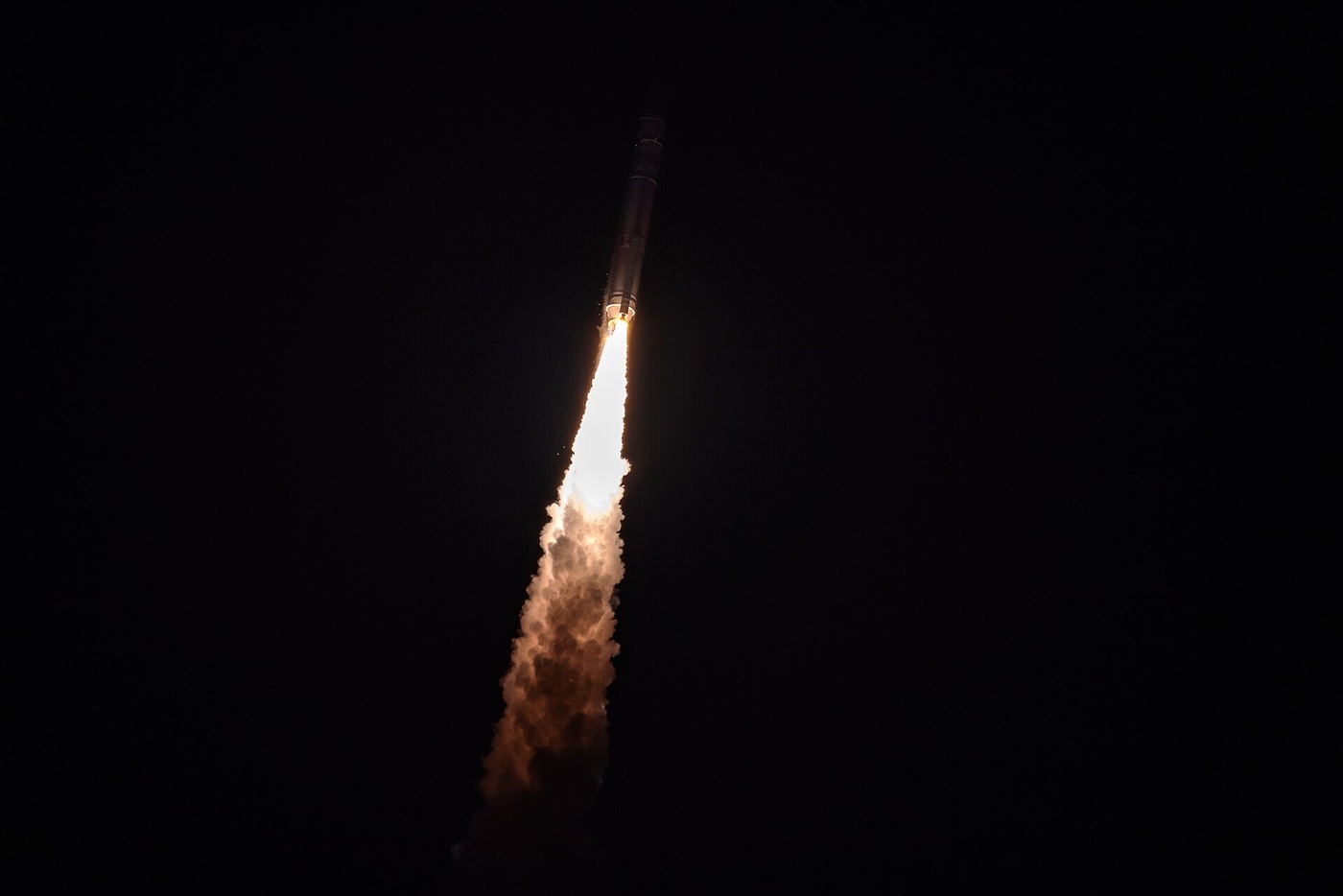
Vulcan rocket failure began just after liftoff, ULA says
United Launch Alliance says its Vulcan rocket began failing just after liftoff, when its booster showed low performance, Ars Technica and Space.com report. The rocket was lost with 40 Amazon satellites, Space.com says. ULA has not said what went wrong with the booster.
United Launch Alliance says its Vulcan rocket began failing just after liftoff, when its booster showed low performance, Ars Technica and Space.com report. The rocket was lost with 40 Amazon satellites, Space.com says. ULA has not said what went wrong with the booster.
"Early indications are that just after liftoff the launch vehicle experienced low booster performance," ULA said, according to Space.com. That led the stages to separate when the rocket was too low and too slow to reach orbit, the company said.
ULA said it lost contact and the mission about 10 minutes into flight, Ars Technica reports. The solid rocket boosters worked as planned, ULA said, according to Ars Technica and Space.com. The Centaur V upper stage did too, ULA confirmed, according to Ars Technica.
The rocket's core stage is powered by two BE-4 engines built by Blue Origin, Space.com reports. Early data point to a problem on the rocket side, not in the engines themselves, two sources say, according to Ars Technica. The issue may involve the systems that feed fuel to the engines, Ars Technica reports. The data is preliminary, Ars Technica says.
The answer matters for Blue Origin, whose New Glenn rocket uses a similar engine, Ars Technica reports. New Glenn is recovering from its own failure during a ground test in May, Space.com says. NASA is counting on New Glenn for its Artemis moon program, Ars Technica reports.
The setback is likely to keep Vulcan grounded for at least half a year, Ars Technica reports. That will hurt the US Space Force and Amazon, which had more than a dozen Vulcan launches planned for 2027, the site says. Amazon has booked 38 Vulcan launches for its Amazon Leo network, Space.com reports.
The Federal Aviation Administration is overseeing the investigation, which ULA is leading, Ars Technica says.
What we know: ULA says the Vulcan failure began with low booster performance just after liftoff. What we don't know: What caused the booster problem, and whether the BE-4 engines played a part.
Where outlets agree Ars Technica and Space.com report that ULA says the Vulcan failure began with low booster performance just after liftoff.
Where they differ The cited reports agree on the key facts so far.