Anthropic mathematician says he used AI to prove Riemann hypothesis
A mathematician who works at Anthropic says he used the company's Claude AI to prove the Riemann hypothesis, one of math's most famous unsolved problems, the BBC and the Associated Press report. Other math scholars say checking the proof will take time. If it holds, it would be a historic result.
A mathematician who works at Anthropic says he used the company's Claude AI to prove the Riemann hypothesis, one of math's most famous unsolved problems, the BBC and the Associated Press report. Other math scholars say checking the proof will take time. If it holds, it would be a historic result.
Levent Alpöge said he created the proof with Claude over about six weeks, the BBC reports. He shared it a day after Anthropic's stock market debut, the BBC and the AP report. Anthropic did not respond to the AP's request for comment.
The proof was written in Lean, a computer language used to check math proofs, the BBC and the AP report. More than 250,000 pages came out of the work, they say.
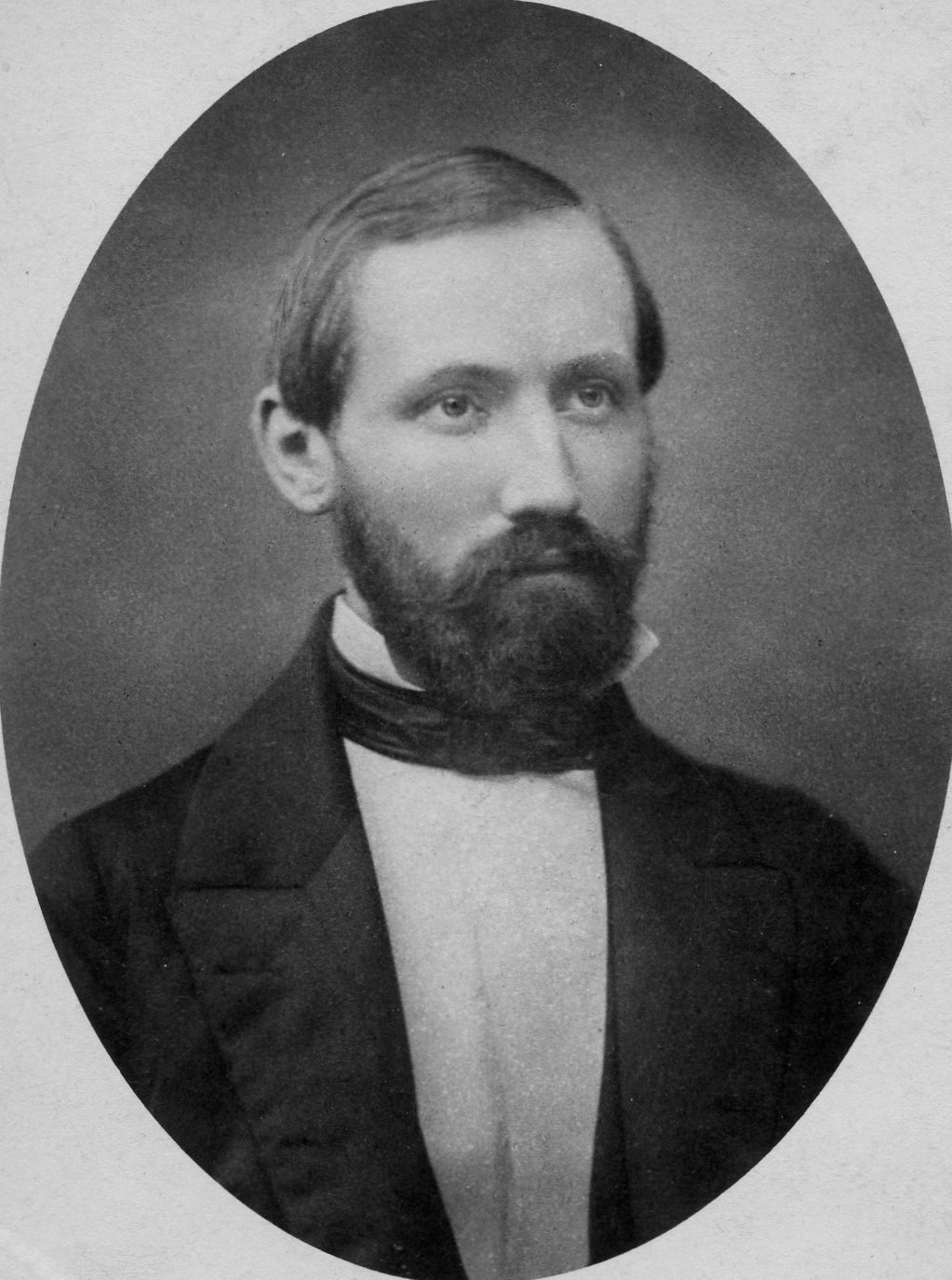
The hypothesis, set out in 1859, deals with how prime numbers are spread out as they grow toward infinity, the AP reports. It is named after mathematician Bernhard Riemann, the BBC says. It is one of seven Millennium Prize Problems, with a $1 million reward, the AP reports.
"The precise timing is horrible," Alpöge said of the IPO, according to the BBC. He said he messaged Anthropic chief executive Dario Amodei to ask about announcing it, the BBC and the AP report.
"I imagine the digestion process will take some time," mathematician Terence Tao said, according to the BBC. The Clay Mathematics Institute still listed the problem as unsolved hours later, the AP reports. Its president, Martin Bridson, said "the journey from today's announcement to a place of real understanding will be long and difficult," according to the AP.
"The computer is extraordinarily picky," said Rutgers math professor Alex Kontorovich, according to the AP. But he said he still has to do the work to understand it, the AP reports.
What we know: An Anthropic mathematician says he proved the Riemann hypothesis with Claude's help. What we don't know: Whether other mathematicians will confirm the proof.
Where outlets agree The BBC and the AP report that an Anthropic mathematician says he proved the Riemann hypothesis with the help of Claude.
Where they differ The cited reports agree on the key facts so far.