COP31 climate talks end without deal over fossil fuels
The UN's COP31 climate talks in Turkey ended without a main agreement after the EU and other countries rejected a final text that left out fossil fuels. The talks ran two days past their deadline. They were the longest UN climate summit ever.
The UN's COP31 climate talks in Turkey ended without a main agreement after the EU and other countries rejected a final text that left out fossil fuels. The talks ran two days past their deadline. They were the longest UN climate summit ever.
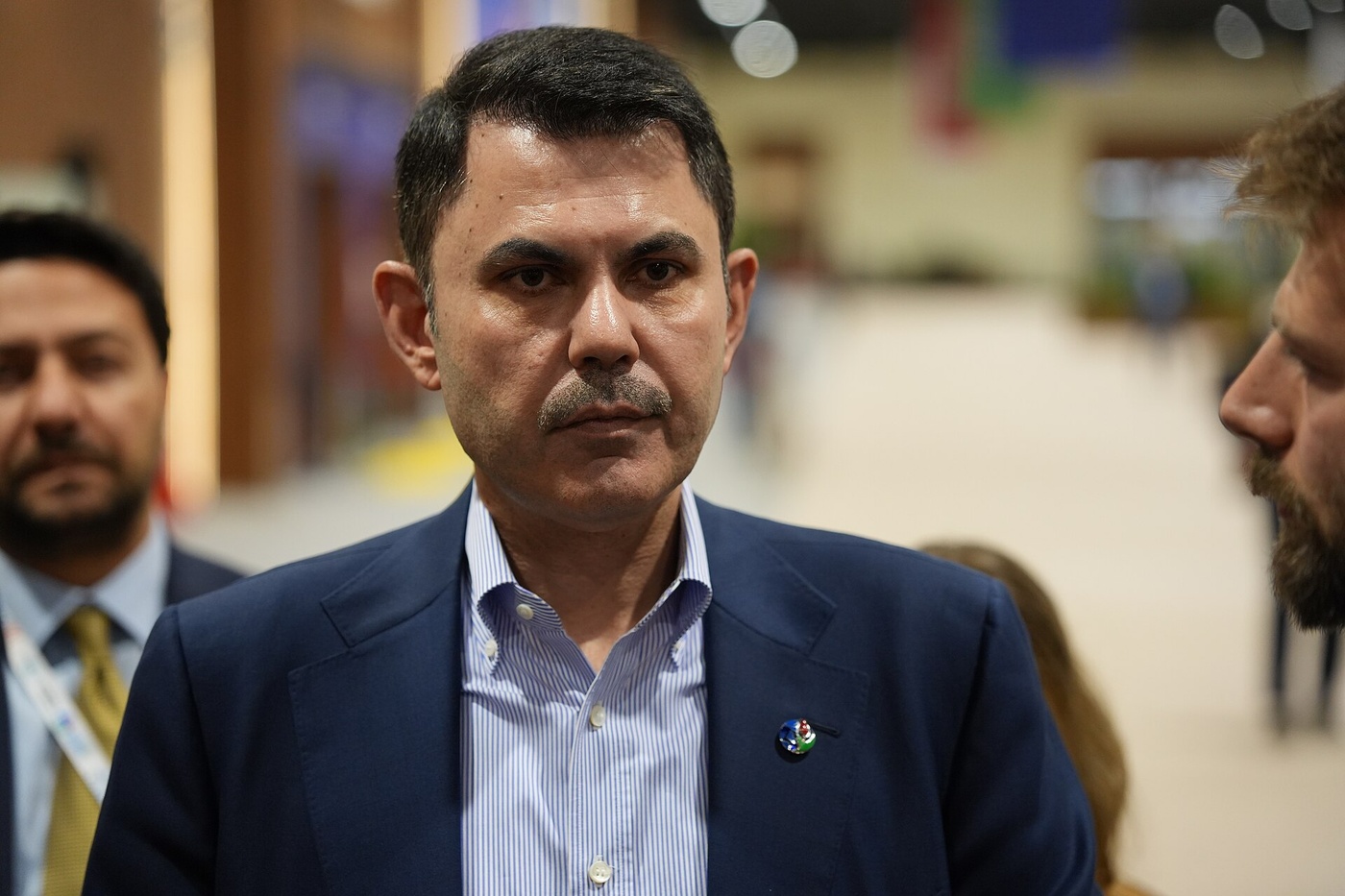
COP31 President Murat Kurum, Turkey's environment minister, said the text was not adopted because there was no consensus, BBC News, CBS News, NBC News and the Guardian report. "Therefore, these decisions have not been adopted," he said, the Guardian and CBS report. Every country must agree for a deal to pass.
The words "fossil fuels" did not appear in the final draft, the outlets report. A first draft mentioned "fossil fuel" or "fossil fuels" six times, BBC News and NBC News report. Oil producers, including Saudi Arabia and Russia, pushed back on that language, the BBC and NBC say.
"It is unconscionable that we would have a climate pact that makes no mention of fossil fuels," said Ireland's Darragh O'Brien, speaking for the EU, BBC News and NBC News report. Panama and the Marshall Islands also rejected the deal, the outlets report. Many poorer countries objected to the lack of clear aid pledges from richer nations, the BBC says.
UN Secretary-General Antonio Guterres said he was "deeply disappointed," the BBC and CBS report. Australia's Chris Bowen, who led the talks, blamed "unbridgeable red lines," the BBC, CBS and NBC report. The last time a COP's main deal collapsed like this was in Copenhagen in 2009, the BBC says.
Some smaller decisions did pass, including steps on a "just transition" to help workers move to clean energy, the Guardian and the BBC report. The United States sent no delegates, CBS News reports.
The talks were the longest in COP history, the outlets report. The world is likely to pass 1.5C of long-term warming in the next few years, the BBC reports.
What we know: COP31 ended without a main climate deal after a split over fossil fuels. What we don't know: Whether countries will try to restart talks before next year's summit.
Where outlets agree BBC News, CBS News, NBC News and the Guardian report that COP31 ended without a main deal after the EU and others rejected a text that left out fossil fuels.
Where they differ The cited reports agree on the key facts so far.